

The Fatal Four Hazards in Construction: A Critical Safety Overview
December 2, 2025 2025-12-19 5:26The Fatal Four Hazards in Construction: A Critical Safety Overview
The Fatal Four Hazards in Construction: A Critical Safety Overview
Construction is one of the most hazardous industries, exposing workers to numerous risks daily. However, four specific hazards—commonly known as the “Fatal Four”—account for the majority-of construction-related fatalities. These hazards include falls, struck-by incidents, caught-in/between incidents, and electrocutions.
Falls: The Leading Cause of Construction Fatalities
Falls are the most common cause of death in the construction industry. In 2020, 351 out of 1,008 construction fatalities resulted from falls to lower levels (BLS data). OSHA mandates fall protection for work performed at six feet or higher when other safety measures are absent. Despite this, many workers either lack proper fall protection or use inadequate equipment, significantly increasing the risk of fatal falls.
Electrocutions: A Deadly Workplace Hazard
Electrocutions rank as the second leading cause of death in construction. These fatalities occur due to:
- Direct contact with live powerlines
- Contact with energized equipment
- Booms or machinery touching powerlines
- Faulty or damaged electrical equipment
- Indirect exposure to energized sources
Proper training, equipment inspections, and maintaining safe distances from electrical sources are crucial in preventing electrocution incidents.
Struck-By Incidents: A Constant Site Threat
Struck-by incidents are nearly as deadly as electrocutions and occur when a worker is hit by moving objects, vehicles, or equipment. Common struck-by hazards include:
- Being struck by heavy machinery or vehicles
- Falling objects from heights
- Flying debris from power tools or machinery
Wearing high-visibility clothing, securing materials at heights, and maintaining awareness of moving equipment can help reduce these risks.
Caught-In/Between Incidents: A Crushing Danger
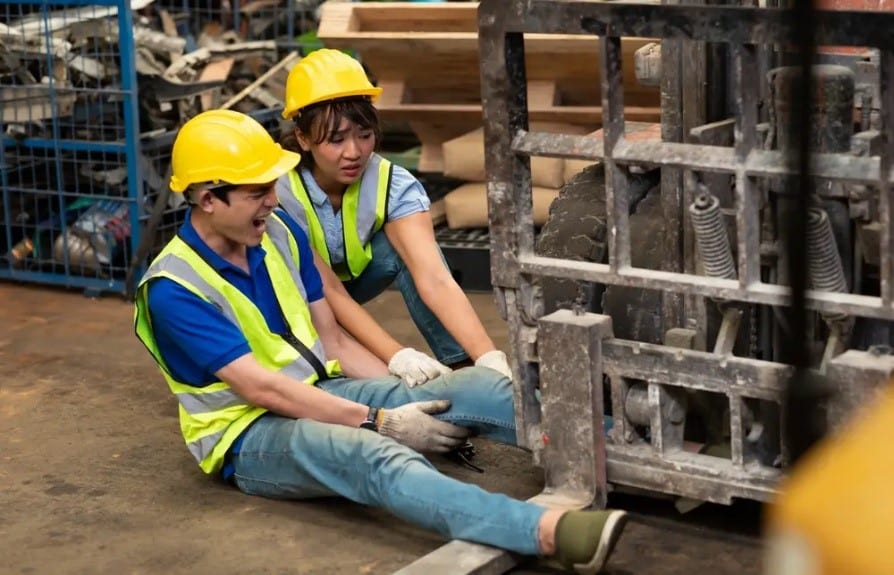
Caught-in/between incidents occur when a worker is trapped, crushed, or compressed between objects. OSHA defines these hazards as injuries caused by being squeezed, caught, or pinned between two or more objects or machine parts. Common examples include:
- Excavation cave-ins
- Being pulled into machinery like conveyor belts
- Getting trapped between heavy equipment and structures
Using proper protective systems in trenches, staying clear of moving equipment, and implementing machine guards can help prevent these incidents.
Final Thoughts: Staying Vigilant on the Job Site
Understanding the Fatal Four hazards is essential for every construction worker. These dangers account for the most serious injuries and deaths in the-industry. Before starting work, take time to assess your surroundings, identify potential risks, and use appropriate safety measures. Staying proactive can save lives.