
Housekeeping in the Construction Industry
January 17, 2026 2026-01-17 8:43Housekeeping in the Construction Industry
Housekeeping in the Construction Industry
Housekeeping in the Construction Industry
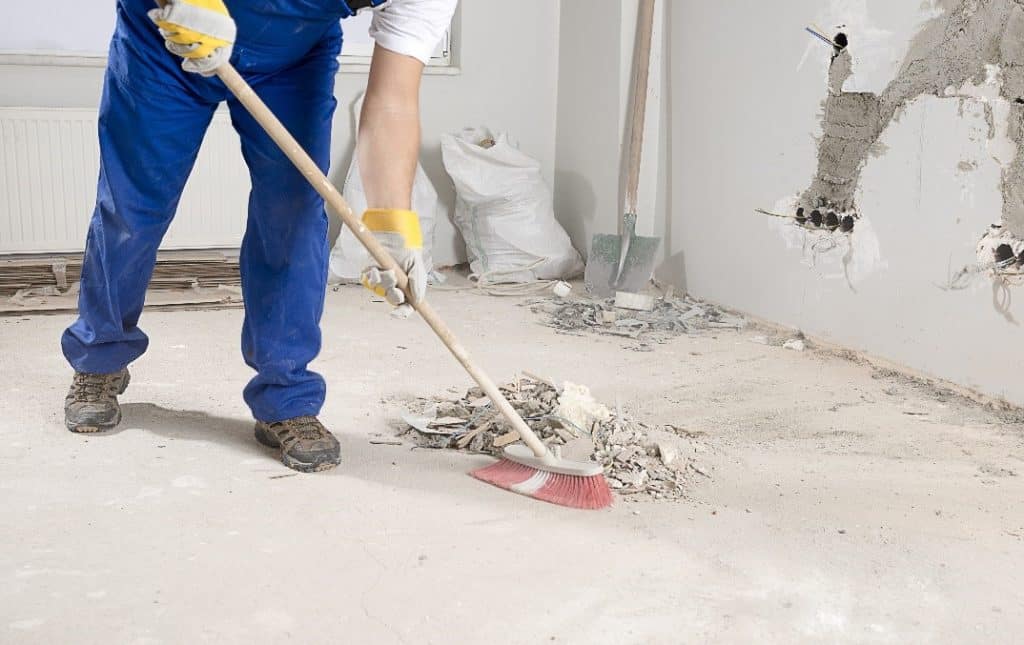
Effective housekeeping is essential for a strong safety culture on construction sites. Companies that prioritize cleanliness and organization in their work areas tend to have better safety records and more efficient operations. Neglecting housekeeping can result in injuries, property damage, and inefficiency.
Consequences of Poor Housekeeping
When housekeeping standards are not maintained, the following risks increase:
- Slip, trip, and fall incidents.
- Property damage from equipment or vehicles colliding with clutter.
- Caught-in/between injuries.
- Sprains and strains from handling items that are improperly stored or left in the way.
Tips for Improving Housekeeping
To enhance housekeeping in your work area, consider these practices:
- Set up lay-down yards for equipment and tools in the field. After use, return items to designated storage spaces like toolboxes or workshops.
- Designate clear walking paths for workers, keeping tools and equipment out of these pathways.
- Assign specific parking areas for vehicles and equipment to avoid clutter and prevent accidental damage.
- Use barriers or orange fencing to mark off areas where equipment, vehicles, or personnel should not go, helping to control access to work zones.
- Maintain clean equipment. For instance, keep heavy equipment cabs free from trash or loose items that can distract operators or interfere with equipment controls.
Summary
Attention to detail in housekeeping can lead to significant improvements in safety culture on construction sites. Proper organization reduces the risk of injury and property damage while demonstrating a company’s commitment to safety. A tidy work environment reflects responsibility and maturity in addressing potential hazards, showing that even small issues, like housekeeping, are taken seriously to prevent larger problems.