
Struck-by Incidents in Construction
January 17, 2026 2026-01-17 8:54Struck-by Incidents in Construction
Struck-by Incidents in Construction
Struck-by Incidents in Construction
In 2020, occupational struck-by incidents led to 150 fatalities and 14,000 nonfatal injuries in the construction sector. These injuries resulted in $1.4 billion in direct workers’ compensation costs for nonfatal claims requiring more than five days off work. Construction sites are filled with moving equipment, falling objects, and flying debris, all of which pose significant dangers to ground personnel. To prevent struck-by incidents, it’s crucial to identify hazards specific to the job site and the work being performed that day. Everyone on-site must collaborate to eliminate or reduce these risks. Struck-by injuries result from forceful contact or impact between a person and an object or piece of equipment. These injuries can be fatal or cause significant downtime, even if not severe. To help prevent struck-by incidents, companies are encouraged to hold a stand-down a-voluntary event where employers engage directly with workers to reinforce safety practices.
What are Struck-by Incidents?
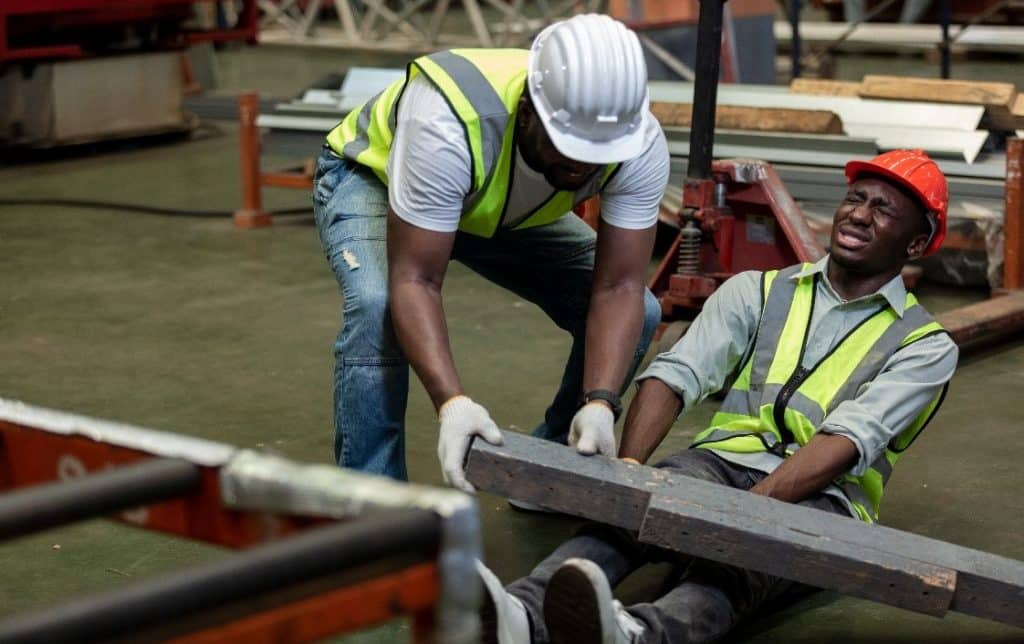
Struck-by incidents are a leading cause of fatalities in the construction industry, consistently ranking among the top risks to ground workers. These incidents occur when a person is struck by moving equipment, falling objects, or flying debris, resulting in severe injury or death.
Strategies to Prevent Struck-by Incidents
- Minimize Hazards from Moving Equipment:
- Assess whether equipment or vehicles need to operate in pedestrian areas.
- Avoid unnecessary backing of vehicles.
- Ensure workers remain at a safe distance from operating equipment and complete tasks in areas that are free of moving vehicles.
- Prevent Falling Objects:
- Remove materials or tools from elevated areas whenever possible.
- If removal isn’t feasible, use toe boards to prevent items from slipping off elevated surfaces.
- Secure tools and materials with tie-offs to prevent them from falling.
- Barricade Hazardous Work Zones:
- Set up barriers, such as fences, to prevent unauthorized entry into areas where heavy equipment is in use or overhead work is occurring.
- This helps ensure ground personnel stay out of potentially dangerous zones.
- Protect Against Flying Debris:
- Isolate tasks that generate flying debris, like grinding or cutting operations, to prevent workers from being exposed to hazards.
- Ensure those working in areas where debris is produced are wearing appropriate protective gear.
Summary
While it’s impossible to completely-eliminate struck-by hazards, careful planning and effective work zone management can significantly reduce risks to ground personnel. Always assess work tasks to identify and mitigate potential dangers, ensuring everyone on-site remains safe from moving equipment, objects, and flying debris.