
Working Around Cranes: Safety Tips
January 17, 2026 2026-01-17 9:53Working Around Cranes: Safety Tips
Working Around Cranes: Safety Tips
Working Around Cranes: Safety Tips
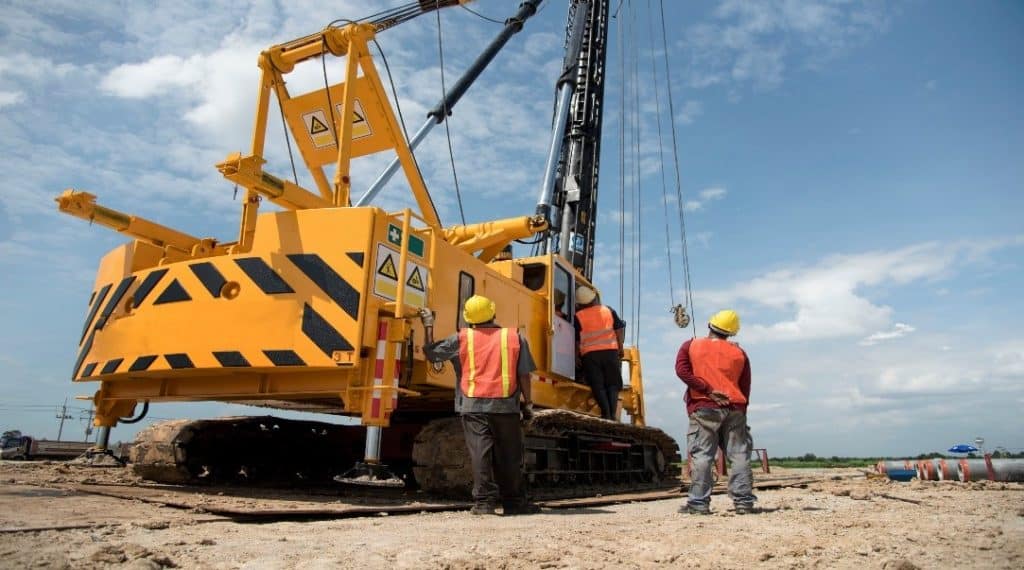
Crane-related accidents in the United States result in an average of 42 fatalities per year. The leading causes include being struck by objects or equipment, contact with power lines, and crane collapses. Between 2011 and 2017, 297 crane-related deaths were recorded, with the majority occurring in the private construction and manufacturing sectors. States with the highest number of fatal crane incidents include Texas, Florida, California, and New York. Experience can often be the harshest teacher when it comes to working around cranes. While lessons learned on the job are valuable, they can sometimes come at a high cost. For instance, one worker carrying cement walked between a crawler crane and a building column, only to be fatally crushed when the crane swung and pinned him between the counterweight and the column. In another case, a worker was electrocuted when the crane’s load-made contact with a live power line while he was leaning on the crane frame, chatting with a colleague. Today, we’ll discuss the do’s and don’ts when working around cranes to help prevent such incidents.
Types of Lifting and Rigging Incidents
The most severe incidents related to lifting and rigging typically involve the failure of a sling, wire rope, or chain, which can cause a load to drop. Although these incidents are often the most serious, many other, less severe incidents contribute to the-majority of injuries and property damage. These include sprains, falls, crush injuries, electrocutions, and struck-by incidents. Additionally, hazards such as swinging loads, manual handling of heavy rigging, holding tag lines, moving equipment, pinch points, working at heights, trip hazards, and slippery surfaces can all be present during lifting operations.
Safe Work Practices for Lifting and Rigging
- Training: Anyone involved in lifting operations must be properly trained to understand the scope of the task, the associated hazards, and the measures in place to mitigate these risks.
- Lift Plan: Always have a written lift plan before starting the operation. A lift plan ensures that factors like rigging methods, equipment angles, and lifting capacities are carefully considered beforehand.
- Travel Area and Lines of Fire: Plan the path-the load will take and identify any potential hazards or obstacles in advance. This helps avoid accidental strikes or the need to move equipment once the load is lifted.
- Rigging Inspection: Inspect all rigging equipment before use and continuously check its condition throughout the day, especially if multiple lifts are being made.
- Proper Storage: Store the rigging equipment properly after each use to prevent damage and ensure it remains in good working condition.
- Maintain Distance from Loads: Always stay clear of the load. Use tag lines or push sticks to safely maneuver the load without getting too close.
Summary
While this is not a comprehensive list of all the potential hazards and safe practices related to lifting and rigging, it highlights some of the key considerations for maintaining safety. Proper planning and awareness of the specific risks involved in each lift are essential to preventing accidents and ensuring a safe work environment for everyone involved.