
Working With and Around Suspended Loads
January 20, 2026 2026-01-20 4:51Working With and Around Suspended Loads
Working With and Around Suspended Loads
Working With and Around Suspended Loads
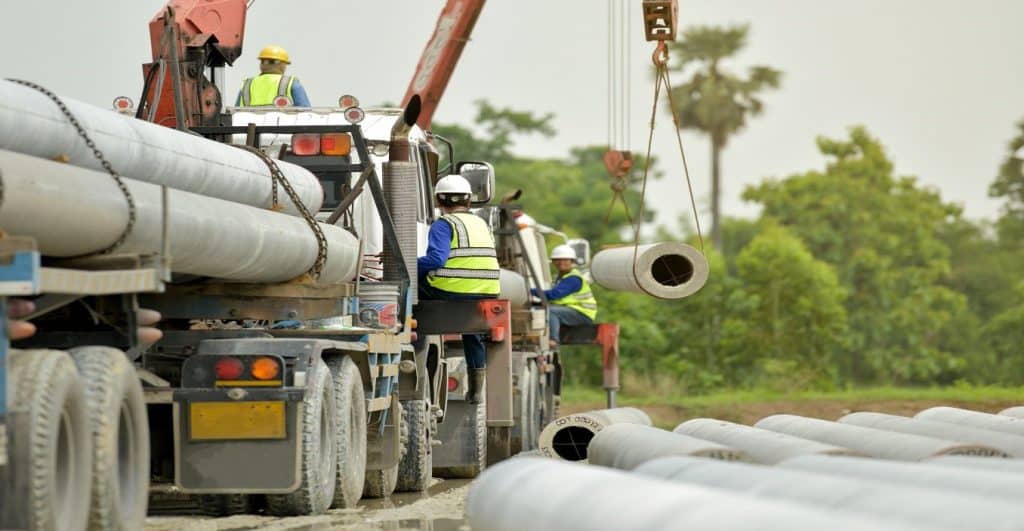
Cranes play a critical role in construction by lifting and placing heavy materials that would otherwise be impossible to move manually. However, their strength also comes with significant risks. Suspended loads—loads that are lifted off the ground by cranes or hoists—pose serious hazards such as struck-by incidents and crushing injuries. Workers must understand and respect these risks as accidents caused from suspended loads are-often severe or even fatal.
Before Moving a Suspended Load: Key Safety Steps
- Inspect the Surroundings: Always survey the lift area for overhead power lines, nearby structures, or other obstructions that could interfere with crane operation.
- Verify Lifting Equipment Ratings: Ensure slings, chains, or straps are rated for the specific load. Each lifting device must have a legible tag showing its safe working load limit.
- Identify Pinch and Crush Zones: Locate and mark any potential pinch points or crushing hazards near the crane and in-the load’s landing area.
- Secure the Swing Radius: Clearly barricade the crane’s swing radius to prevent unauthorized personnel from entering high-risk areas where the counterweight or boom rotates.
- Balance and Clearance Check: Confirm that the load: is balanced and that its travel path is free of obstacles, including people and equipment.
- Follow an Engineered Lift Plan: For all critical lifts, use a written lift plan. Any changes or deviations require a revised plan approved by a qualified person.
During Movement of a Suspended Load: Safety Protocols
- Stay Clear of the Load: No one should ever stand or work directly under a suspended load—this is a cardinal safety rule.
- Maintain a Safe Perimeter: All personnel must remain clear when the-load is being raised moved or lowered. Operators should maintain visual contact with the load throughout the lift.
- Use a Trained Signal Person: Only a designated, trained signal person should give signals using standardized hand signals. A clear line of sight between the operator and signal person must be maintained.
- Limit Communication to One Person: Only the designated signal person should communicate lift instructions—unless someone is warning of an immediate hazard.
- Use Audible Warnings: An air horn or similar device should be used to signal that a lift is starting, alerting others to stay clear of overhead hazards.
- Avoid Unnecessary Lifting: Never lift a load higher than needed and never leave it hanging unattended in the air.
Additional Safety Reminder
Environmental conditions like wind, rain, or poor visibility can greatly increase the hazards of working with suspended loads. Always evaluate weather and ground conditions before a lift, and postpone operations if conditions are unsafe. Communicate clearly with the entire crew and never rush a lift—careful preparation and communication can prevent disaster.
Summary
Suspended loads are inherently dangerous and require careful planning and strict adherence to safety protocols. Always inspect equipment and the work zone, follow lift plans, and stay alert during operations. Preventing injuries starts with preparation, teamwork, and a commitment to keeping everyone clear of the danger zone.
✅ Inspect, plan, and communicate.
✅ Stay clear and stay visible.
✅ Never work under a suspended load.