

Toolbox Talk: Employee Responsibilities and Safe Work Practices for Machine Guards
April 17, 2026 2026-04-23 4:53Toolbox Talk: Employee Responsibilities and Safe Work Practices for Machine Guards
Employee Responsibilities and Safe Work Practices for Machine Guards
Toolbox Talk: Employee Responsibilities and Safe Work Practices for Machine Guards
Reference: OSHA 29 CFR 1910 Subpart O – Machinery and Machine Guarding
Purpose
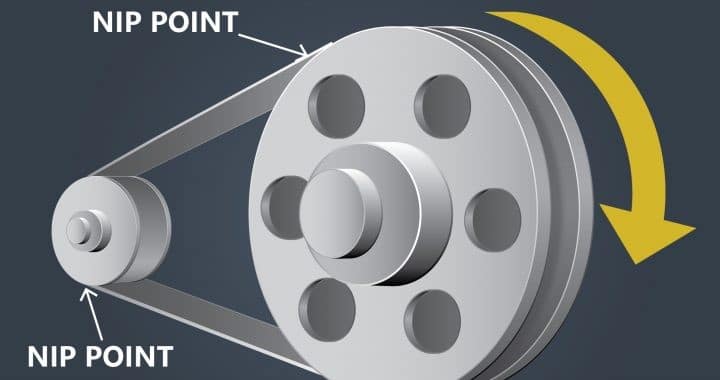
Machine guards are designed to protect employees from serious hazards such as rotating parts, pinch points, flying debris, and point of operation risks. However, guards are only effective when employees understand their responsibilities and follow safe work practices consistently. This talk outlines the role every worker plays in maintaining a safe environment around machinery.
Why Employee Responsibility Matters
Most machine-related injuries occur not because guards are missing—but because they are misused, removed, or ignored. Safe equipment can quickly become dangerous when proper procedures are not followed.
Each employee is the first line of defense in preventing injuries.
Employee Responsibilities
- Use Machine Guards as Designed
- Always ensure guards are in place before operating equipment
- Never operate machinery with missing or damaged guards
- Do not modify or alter guards in any way
- Never Bypass or Disable Safety Devices
- Avoid overriding interlocks, sensors, or two-hand controls
- Understand that bypassing a guard puts you and others at immediate risk
- Shortcuts can lead to permanent injuries
- Perform Pre-Use Inspections
- Check that guards are secure, aligned, and functioning properly
- Look for signs of wear, damage, or tampering
- Report any issues before starting work
- Follow Lockout/Tagout Procedures
- Shut down and isolate energy sources before removing guards for maintenance
- Never reach into a machine while it is operating
- Only authorized personnel should perform servicing tasks
- Stay Focused and Alert
- Avoid distractions while operating machinery
- Keep hands, clothing, and tools away from moving parts
- Do not rush—most incidents occur when employees try to save time
- Use Proper Tools and PPE
- Use push sticks, feeding tools, or other devices to keep hands clear
- Wear appropriate personal protective equipment (PPE) as required
- Avoid loose clothing or jewelry that could get caught in machinery
Safe Work Practices Around Machine Guards
- Maintain a clean and organized work area
- Ensure adequate lighting around machinery
- Do not allow unauthorized personnel near operating equipment
- Follow all training and standard operating procedures
- Communicate hazards clearly with coworkers
What NOT to Do
- Do not remove guards to make a job easier
- Do not operate equipment you are not trained to use
- Do not ignore unusual machine behavior (noise, vibration, malfunction)
- Do not assume someone else has reported a hazard
When to Stop Work
Stop work immediately and report the issue if:
- A guard is missing, damaged, or ineffective
- A safety device is not functioning properly
- You feel unsure about the safe operation of the machine
Key Takeaway
Machine guards are only as effective as the people using them. Following safe work practices and taking personal responsibility ensures not only your safety, but the safety of everyone around you.
Discussion Prompt
- Have you ever seen a guard bypassed or removed? What was the situation?
- What steps do you take before operating a machine each day?
Safety is a shared responsibility. By respecting machine guards and following proper procedures, employees help create a workplace where injuries are prevented not just reacted to.