
Toolbox Talk: Blind Spots and Safe Driving
March 31, 2026 2026-04-23 4:48Toolbox Talk: Blind Spots and Safe Driving
Blind Spots and Safe Driving
Toolbox Talk: Blind Spots and Safe Driving
Introduction
Good morning, everyone. Today, we’ll be discussing blind spots and their impact on driving safety. Blind spots are a critical issue for both professional and personal driving and understanding how to mitigate them is essential for everyone’s safety on the road. Whether you’re driving a car, truck, or other heavy equipment, this talk will help you stay aware of these areas you can’t see and how to adjust your driving habits to prevent accidents.
What Are Blind Spots?
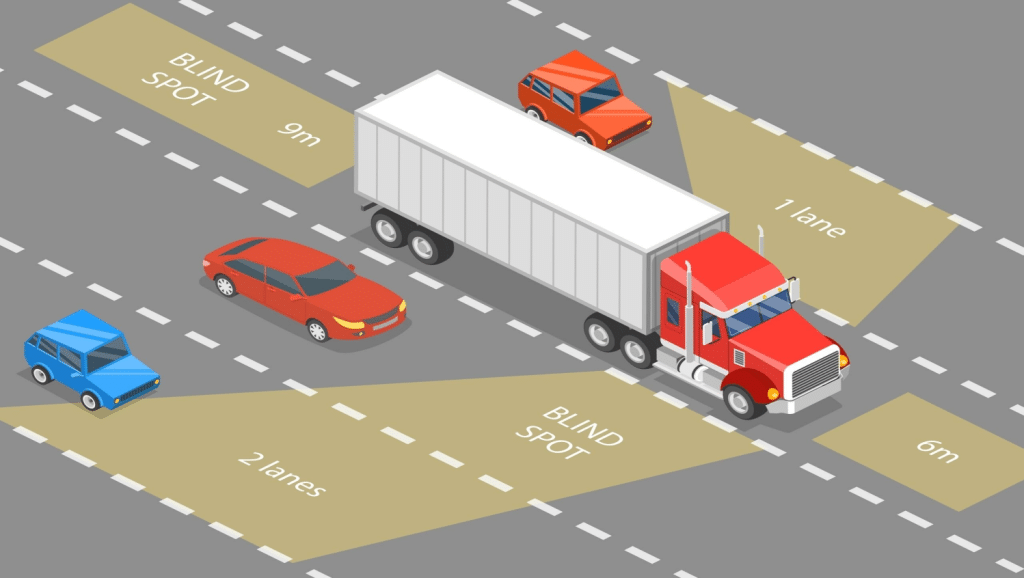
Blind spots are areas around a vehicle that the driver cannot see through mirrors. They can exist on both sides of a vehicle, in front, and behind. When you’re driving, you can easily overlook these spots if you’re not paying attention to your surroundings or properly adjusting your mirrors.
For larger vehicles, like trucks or heavy machinery, blind spots can be even more pronounced due to their size and the driver’s position. It’s important to remember that other road users, such as pedestrians, cyclists, and motorcyclists, are more vulnerable in these areas.
Common Blind Spots
- Driver’s Side Blind Spot: Typically, the area that stretches from the driver’s side door to the rear corner of the vehicle.
- Passenger Side Blind Spot: The area from the passenger-side door to the rear of the vehicle.
- Front Blind Spot: This is most noticeable in large vehicles, like trucks, where the driver cannot see vehicles or obstacles directly in front, especially when turning.
- Rear Blind Spot: Especially common in larger vehicles or trucks, it’s the area behind the vehicle, which can be hard to monitor with mirrors alone.
Why Are Blind Spots Dangerous?
- Unseen Vehicles and Objects: Blind spots can hide other drivers, pedestrians, cyclists, or obstacles, making it difficult to safely change lanes or navigate through traffic.
- Sudden Movements: If someone enters your blind spot while you’re turning, changing lanes, or merging, it can lead to accidents.
- Limited Reaction Time: Without seeing someone in your blind spot, you may not have enough time to react to avoid a collision.
How to Minimize the Risk of Blind Spot Accidents
- Proper Mirror Adjustment
- Ensure your mirrors are set properly. Adjust side mirrors so that you can see the road behind and a small portion of your vehicle. Your rearview mirror should give you a clear view of the area directly behind.
- Tip: Sit in your normal driving position, lean your head slightly to the left, and adjust your left mirror to just see the edge of your car. Then, lean to the right and adjust the right mirror similarly.
- Use Your Turn Signals
- Always use your turn signals well in advance. This gives other drivers time to react and can help avoid situations where someone might be in your blind spot when you’re about to change lanes.
- Check Over Your Shoulder
- A quick shoulder check can help you spot anyone hiding in your blind spot. This is especially important when changing lanes or merging into traffic.
- Give Adequate Space
- Try to avoid driving alongside other vehicles for long periods of time. If you’re driving in traffic, position your vehicle so that you can always see in your mirrors.
- Maintain a safe distance between you and the vehicle in front of you, allowing enough time to react to sudden changes in traffic.
- Know Your Vehicle’s Blind Spots
- Familiarize yourself with your vehicle’s blind spots. Many trucks and larger vehicles have bigger blind spots, and understanding where these are can help you anticipate when they might be a problem.
- Use Technology
- Many modern vehicles are equipped with blind spot monitoring systems. These systems can alert you when another vehicle is in your blind spot. Use this technology as an additional safety feature, not as a replacement for proper mirror adjustment and checks.
- Avoid Tailgating
- If you’re following too closely, it becomes harder for the driver ahead of you to see your vehicle in their mirrors, and it also limits your own ability to see their blind spots.
- Consider Your Speed
- Drive at a safe speed, especially when merging or changing lanes. High speeds reduce reaction time and increase the risk of accidents, particularly when you’re unable to spot other vehicles in your blind spots.
Best Practices for Heavy Equipment Operators
- Perform Daily Vehicle Inspections: Check for any obstructions or items around your vehicle that could increase the size of your blind spots.
- Use Spotters: If you’re operating large equipment or vehicles, always use a spotter to help guide you when reversing or turning. This reduces the risk of blind spots affecting your actions.
- Stay in Communication: For those working in teams, make sure you communicate clearly with other operators and spotters to ensure safe movements and awareness of each other’s positions.
What to Do If You’re in Someone’s Blind Spot
- Don’t Stay There: If you find yourself in another driver’s blind spot, try to move ahead or behind them, where you can be seen.
- Be Patient: Sometimes, the other driver might not see you. Give them time and space to maneuver.
- Signal and Make Eye Contact: If possible, signal your intentions and try to make eye contact to ensure the driver is aware of your presence.
Key Takeaways
- Blind spots are areas around your vehicle that you cannot see in your mirrors.
- Always adjust your mirrors, use turn signals, and perform shoulder checks when changing lanes.
- Pay attention to your vehicle’s blind spots and try to avoid staying in another driver’s blind spot.
- Stay vigilant and proactive, especially when driving larger vehicles or heavy equipment.
Conclusion
Accidents related to blind spots are preventable if we stay aware and take the right precautions. Always double-check your surroundings, use all available tools (mirrors, cameras, spotters), and drive defensively. Remember, every time we hit the road, we’re responsible for our safety and the safety of others. Let’s make sure we’re doing everything we can to avoid blind spot accidents. Stay safe out there!
Any questions or thoughts on this topic before we wrap up?