
Toolbox Talk: Driving at Night
April 3, 2026 2026-04-23 4:50Toolbox Talk: Driving at Night
Driving at Night
Toolbox Talk: Driving at Night
Introduction
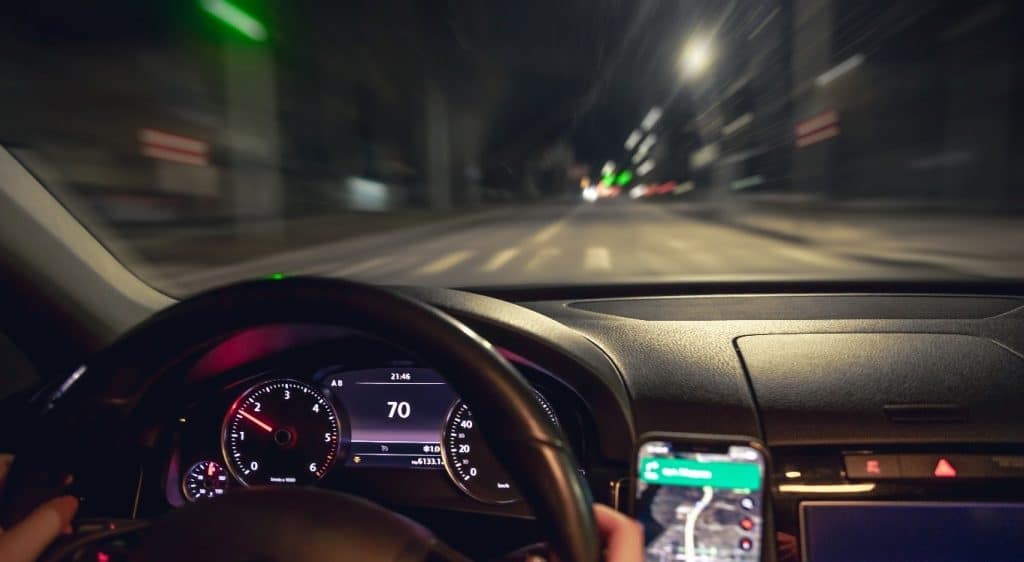
Good morning, everyone. Today’s topic is driving at night, a skill that’s essential but often underestimated. Whether you’re on the road for work or traveling home, nighttime driving presents a unique set of challenges. Poor visibility, tiredness, and the risk of encountering drivers who may not be as cautious can make driving at night more dangerous. In this talk, we’ll discuss the risks associated with night driving and share tips to help you stay safe when you’re behind the wheel after dark.
Why Is Night Driving More Dangerous?
- Reduced Visibility
- Less Light: The lack of natural light at night reduces your ability to see obstacles, road signs, pedestrians, cyclists, and other vehicles, especially in poorly lit areas.
- Headlights: Headlights can only illuminate a small portion of the road ahead, which limits your reaction time when encountering sudden hazards.
- Fatigue
- People tend to be more tired or less alert at night, especially if driving for long periods or after a long workday.
- Drowsy driving slows reaction times and impairs decision-making, which increases the risk of accidents.
- Glare from Oncoming Traffic
- Bright headlights from oncoming vehicles can cause temporary blindness or discomfort, making it harder to see the road.
- Your eyes take longer to adjust when transitioning between bright headlights and dark surroundings.
- Increased Risk of Impaired Drivers
- More people tend to drive under the influence of alcohol or drugs at night, increasing the chances of encountering reckless or unsafe driving behavior on the road.
Risks Associated with Night Driving
- Limited Stopping Distance: At night, it’s harder to judge how far you can see ahead, which limits your stopping distance if something suddenly appears on the road.
- Pedestrians and Animals: Pedestrians and animals are harder to spot at night, especially if they’re crossing in poorly lit areas.
- Fatigue and Slower Reflexes: Fatigue can reduce your ability to react quickly to situations, increasing the likelihood of an accident.
- Drowsy Driving: Falling asleep behind the wheel, even for a moment, can have catastrophic consequences.
Tips for Safe Night Driving
- Use Your Headlights Properly
- Low Beams for Street Lights: Use your low beams when driving in well-lit areas or behind other vehicles to avoid blinding other drivers.
- High Beams on Unlit Roads: If you’re on a dark, rural road or highway with no streetlights, use your high beams for better visibility. Make sure to switch to low beams when approaching other vehicles or when there is oncoming traffic.
- Fog Lights: If your vehicle has fog lights, use them in foggy conditions. They can help reduce glare and improve your visibility.
- Keep Your Headlights Clean and Well-Aligned
- Dirty or misaligned headlights can significantly reduce the amount of light you’re getting on the road. Clean your headlights regularly and get them checked if they seem dim or misdirected.
- Adjust Your Speed
- When driving at night, adjust your speed to account for reduced visibility. Don’t drive faster than you can see clearly in your headlights.
- Remember: You should be able to stop within the distance that you can see ahead.
- Stay Alert and Well-Rested
- If you’re tired, avoid driving at night or take breaks every couple of hours. If possible, switch drivers.
- Tip: If you feel drowsy, pull over and take a short nap. It’s better to arrive late than not at all.
- Avoid Glare
- If oncoming headlights cause glare, look at the right edge of the road to guide you, and avoid looking directly at the headlights.
- Adjust your mirrors to reduce glare from behind you. Many cars have an “auto-dim” feature for the rearview mirror to help with this.
- Check Your Mirrors and Blind Spots Regularly
- Use your side mirrors and rearview mirror to stay aware of your surroundings, especially when changing lanes. Blind spots can be harder to check at night, so always look over your shoulder when necessary.
- Watch for Pedestrians and Animals
- Pedestrians and animals are harder to see at night, especially in poorly lit areas. Slow down when driving through residential areas, near parks, or in rural settings.
- Be particularly cautious in areas known for wildlife crossings. Animals tend to be more active at night.
- Keep Your Vehicle in Good Condition
- Make sure your vehicle’s lighting system, wipers, and tires are in top condition. Poorly functioning brakes, lights, or tires can make night driving even riskier.
- Ensure that the windshield is clean to improve visibility, as dirt or grime can create additional glare from headlights.
- Limit Distractions
- At night, distractions can be even more dangerous because your ability to react is already limited. Avoid using your phone, adjusting the radio, or engaging in other distractions while driving at night.
- Use Defensive Driving Techniques
- At night, you need to be even more vigilant about the unexpected. Be cautious of vehicles drifting between lanes and always be ready to react to sudden stops or erratic behavior from other drivers.
- Keep a safe distance from the vehicle in front of you, giving you enough time to react if the driver makes a sudden move.
- Consider Using Night Vision Assistance (if available)
- Some newer vehicles are equipped with night vision technology, which helps you spot hazards earlier by detecting heat sources like pedestrians, animals, or objects on the road. If your vehicle has this feature, make sure to use it.
Best Practices for Driving Long Distances at Night
- Take Regular Breaks: Stop every 2 hours or so to stretch your legs, get fresh air, and grab a coffee or snack. It can help you stay alert and refreshed.
- Alternate Drivers: If possible, take turns driving with someone else to reduce fatigue.
- Avoid Heavy Meals: Eating large or heavy meals before driving at night can make you feel sleepy. Opt for light snacks that won’t make you drowsy.
What to Do If You Feel Drowsy While Driving
- Pull Over Safely: If you feel yourself becoming drowsy, pull over at a safe location. Rest for at least 15-20 minutes or switch drivers if you have someone else with you.
- Caffeine: If you drink caffeinated beverages, a cup of coffee or tea can help you stay awake temporarily—but don’t rely on caffeine alone to keep you alert.
- Avoid Relying on “Driving Through” Fatigue: If you’re tired, don’t push through. Drowsy driving is just as dangerous as drunk driving.
Conclusion
Night driving can be challenging, but by taking some simple precautions, you can significantly reduce the risks associated with it. Always ensure you’re well-rested, use your headlights correctly, and stay vigilant about your surroundings. By practicing safe driving habits, you can ensure that you and others on the road make it to your destination safely, no matter the time of day.
Does anyone have any questions or additional tips they’d like to share?