
Toolbox Talk: Driving in Rainy Weather
April 3, 2026 2026-04-23 4:50Toolbox Talk: Driving in Rainy Weather
Driving in Rainy Weather
Toolbox Talk: Driving in Rainy Weather
Introduction
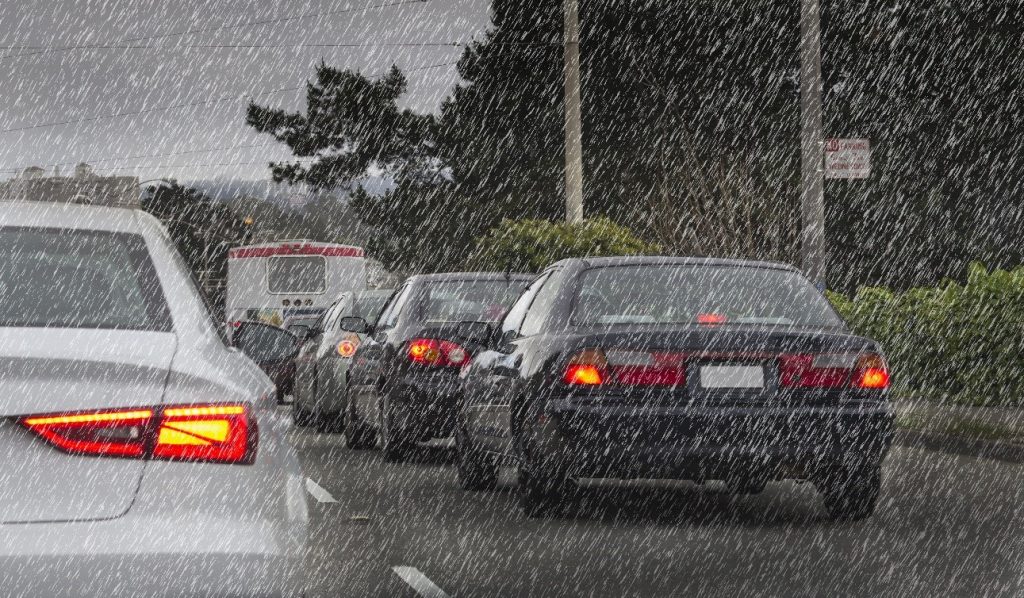
Good morning, everyone. Today, we’re going to talk about driving in rainy weather, something that most of us have experienced, but it still presents unique challenges every time. Rain reduces visibility, affects road conditions, and makes driving more dangerous. Whether you’re driving a car, truck, or heavy equipment, knowing how to safely navigate in wet conditions is essential for your safety and the safety of others on the road. Let’s dive into the key precautions and best practices when driving in the rain.
Why Is Driving in the Rain Dangerous?
- Reduced Traction
- Wet roads can cause tires to lose traction. This happens because rainwater creates a layer between the road surface and your tires, making it harder for the tires to grip the road.
- Hydroplaning occurs when the tires lose contact with the road entirely, causing the vehicle to slide uncontrollably.
- Limited Visibility
- Rain reduces how far you can see ahead, especially if it’s coming down heavily. Wipers and headlights help, but sometimes you might still struggle to spot obstacles, pedestrians, or other vehicles.
- Increased Stopping Distance
- Wet roads require a longer distance to stop. The friction between your tires and the road decreases, making it harder to slow down or stop quickly.
- Water Puddles and Flooding
- Standing water or flooded areas can cause vehicles to lose control. Driving through deep puddles can also damage your vehicle’s engine or brakes.
- Roads may also have areas where water collects, leading to hidden hazards.
- Other Drivers’ Behavior
- Many drivers aren’t as cautious in rainy conditions and may drive too fast, fail to maintain a safe distance, or make sudden lane changes. Always be aware of other drivers, especially if they’re driving aggressively in poor weather.
Tips for Driving Safely in the Rain
- Slow Down
- Reduce Your Speed: Wet roads reduce traction, so it’s important to slow down. Follow the 3-second rule, and if conditions are really bad, increase your following distance to 4 or 5 seconds.
- Tip: On wet roads, decrease your speed by about 10-15 mph below the posted speed limit.
- Increase Following Distance
- In rainy conditions, it takes longer to stop, so make sure to maintain a greater distance between you and the vehicle in front of you. This gives you more time to react in case they brake suddenly.
- Turn On Your Headlights
- Use your headlights even if it’s daytime. Rain reduces visibility, and headlights make your vehicle more visible to others. Don’t rely on just your daytime running lights—turn on the full headlights and taillights.
- Avoid Cruise Control
- Turn off cruise control in rainy conditions. If your car hydroplanes, you need to be able to quickly adjust speed and regain control. Cruise control can prevent you from reacting fast enough.
- Use Wipers and Defoggers
- Check Your Wipers: Before you start driving, ensure your windshield wipers are in good condition. Replace them if they leave streaks or don’t clear the water effectively.
- Defoggers: Use your defroster or air conditioning to prevent the windows from fogging up. Condensation can reduce visibility further, so keep the windows clear.
- Be Extra Cautious of Standing Water
- Hydroplaning Risk: If you drive through water that’s too deep, your tires might lose contact with the road entirely. This is called hydroplaning, and it can cause you to lose control of your vehicle.
- Tip: Avoid driving through puddles. If you can’t see the bottom, it’s too deep to drive through. Slow down, and steer carefully to avoid large puddles or flooded areas.
- Check Tires Regularly
- Tires play a huge role in your ability to drive safely in the rain. Ensure your tires have adequate tread depth—worn-out tires are more likely to hydroplane.
- Tip: Check tire pressure regularly. Under-inflated tires reduce traction, while over-inflated tires decrease the surface area of the tire that contacts the road, both of which are risky in wet conditions.
- Brake Gently and Early
- On wet roads, sudden braking can lead to skidding. Apply brakes gently and well in advance of a stop to allow enough time for your vehicle to slow down safely.
- Tip: If your vehicle has anti-lock brakes (ABS), apply firm, steady pressure to the brake pedal during hard breaking.
- Avoid Sudden Lane Changes or Sharp Turns
- Making sudden movements, whether it’s a sharp turn or quick lane change, can cause your tires to lose grip. Be smooth with your steering and avoid making sudden moves.
- Keep an Eye on Other Drivers
- Watch for vehicles that may be driving erratically due to the weather. Some drivers may speed, tailgate, or fail to use their lights. Give them plenty of space and always be ready to react.
How to Recover from Hydroplaning
If you begin to hydroplane (when your tires lose contact with the road surface and start to slide on the water):
- Stay Calm: Don’t panic, and don’t slam on the brakes.
- Ease Off the Gas: Gently lift your foot off the accelerator. This will allow the tires to regain contact with the road.
- Steer Straight: If you need to steer, do so slowly and gently. Don’t overcorrect, as this can cause the vehicle to spin.
- Wait for the Tires to Regain Traction: Once your tires regain contact with the road, slowly and gently steer back into your lane.
Special Considerations for Heavy Vehicles
- Check Your Load: Make sure the load is properly secured and balanced, as rain and slippery conditions can cause shifting and affect the vehicle’s stability.
- Increase Your Following Distance Even More: Large trucks or heavy equipment take much longer to stop than passenger vehicles, so always leave extra space in front of you.
- Reduce Speed for Turns: Turns can be especially tricky in the rain, as the weight of the vehicle combined with the slick road increases the chance of tipping or sliding.
What to Do if Conditions Get Too Dangerous
- If the rain is so heavy that it reduces visibility to almost zero, it’s safer to pull over and wait it out. Find a safe place to park, away from overpasses or trees, and turn on your hazard lights.
- Avoid stopping on the side of the road if there’s a risk of being hit by other vehicles. Only stop when it’s completely safe to do so.
Conclusion
Driving in rainy weather requires extra caution and preparation. By slowing down, maintaining a safe following distance, using your lights, and being aware of the dangers like hydroplaning, you can significantly reduce the risks of accidents. Always check your vehicle’s tires and wipers before heading out and adjust your driving style to the weather conditions.
Remember, rain makes the roads slippery and reduces your ability to react quickly. Stay alert and take the necessary precautions to keep yourself and others safe on the road.
Does anyone have any questions or tips to share about driving in the rain?