
Toolbox Talk: Driving in Road Construction Zones
April 4, 2026 2026-04-23 4:52Toolbox Talk: Driving in Road Construction Zones
Driving on Winding Roads
Toolbox Talk: Driving in Road Construction Zones
Introduction
Good morning, everyone. Today, we’re going to discuss an important topic for everyone who drives—driving in road construction zones. Whether you’re on your way to work, running errands, or traveling on the highway, chances are you’ll come across a construction zone at some point. These areas can present unique challenges, with detours, lane closures, and workers on the road. Failing to adapt your driving behavior can lead to accidents, delays, and even injuries. It’s crucial that we drive cautiously, stay alert, and follow safety guidelines when driving through construction zones.
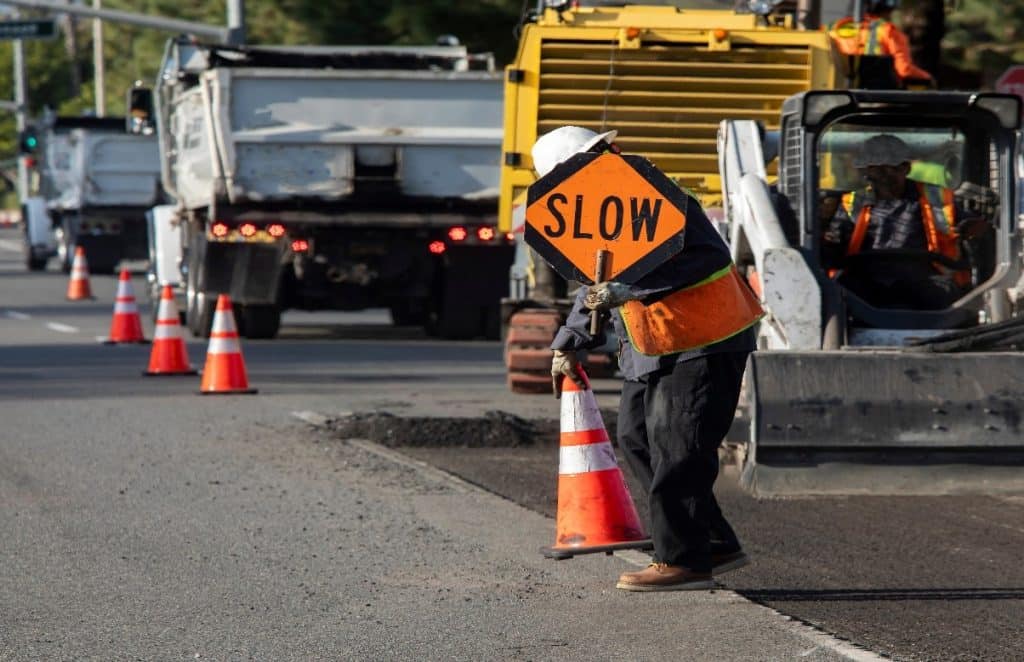
Let’s go over some important points to make sure you drive safely and protect not only yourself but also the workers and others on the road.
Why Are Road Construction Zones Dangerous?
- Unpredictable Changes in Road Conditions
- Construction zones often have sudden changes in road surfaces, including rough patches, uneven pavement, or gravel. There might be temporary signs, cones, and barriers that you must navigate around.
- Narrow or Shifting Lanes
- Lanes in construction zones may be narrowed, or sometimes, the road may be reduced to a single lane. This can make it difficult to maneuver, especially when other vehicles are in the way.
- Presence of Construction Workers
- Workers are often present in construction zones, and they might be moving equipment or working on the road itself. Their visibility is limited due to machinery or the construction area layout, so it’s vital that we always watch for their movements.
- Unexpected Traffic Changes
- Traffic in construction zones can be slower and more congested due to lane reductions, detours, and flaggers directing traffic. At times, you may need to stop unexpectedly or wait for long periods.
- Heavy Equipment and Large Vehicles
- Large construction vehicles, like dump trucks, graders, and cement mixers, often enter and exit the roadway. These vehicles have limited visibility, and their movement can be unpredictable, especially in tight spaces.
Key Tips for Driving Safely in Road Construction Zones
- Slow Down
- Speed Limits in Construction Zones: Most construction zones have lower speed limits. Always obey these signs, even if the road looks clear. The reduced speed gives you more time to react to sudden changes, like workers entering the road or unexpected stops.
- Work Zone Speed Limits: Typically, speed limits in construction zones range from 25 mph to 45 mph, depending on the area. Some zones may have fines doubled for speeding, so always check the signs.
Tip: Even if there are no workers visible, stay at the reduced speed until you’re completely through the construction zone.
- Follow All Posted Signs
- Temporary Traffic Control Signs: Pay attention to the signs for lane shifts, merges, and detours. These temporary traffic controls are crucial for your safety and the safety of workers.
- Flaggers and Cones: Flaggers, who are typically wearing bright vests, direct traffic in construction zones. If a flagger signals you to stop or slow down, follow their directions immediately.
- Lane Changes: Be alert for signs indicating lane closures. Often, you’ll be asked to merge into another lane, and failure to do so can cause congestion or accidents.
- Stay Alert and Minimize Distractions
- Avoid Distractions: Focus entirely on the road when you’re in a construction zone. No texting, talking on the phone, or fiddling with the radio. Distractions can lead to missed signs, failure to react to workers, or even rear-end accidents.
- Anticipate Lane Changes: Be prepared for sudden lane shifts and traffic changes. Keep your attention on other drivers and the road ahead so you can respond in time.
- Be Aware of Construction Equipment: Heavy machinery is common in construction zones. Watch for large trucks, bulldozers, and cranes entering or leaving the roadway. Keep your distance from these vehicles as their visibility is limited.
- Follow Workers’ Instructions
- Yield to Flaggers: If a flagger directs you to stop, slow down, or move over, follow their instructions immediately. Flaggers are responsible for controlling traffic flow to protect workers, and ignoring their directions can lead to accidents.
- Stay Clear of Workers: Construction workers are at risk of injury from passing vehicles. Be aware of workers in the area and avoid pulling over or stopping where they’re working.
- Keep a Safe Following Distance
- Increase Your Following Distance: Tailgating is especially dangerous in construction zones because traffic can change suddenly. Leave extra space between your vehicle and the one ahead to give yourself more time to stop or react to obstacles.
- Anticipate Stops: Due to the nature of construction zones, sudden stops or slowdowns are common. By maintaining a safe distance, you’ll have more time to respond if traffic halts unexpectedly.
- Watch for Detours and Temporary Roads
- Stay on the Designated Path: Construction zones often have detours, alternate routes, or temporary road surfaces. Follow the signs, stay on the marked route, and avoid trying to cut corners.
- Expect Delays: Detours or road work might slow traffic. Be prepared for longer travel times, and if you’re on a tight schedule, plan ahead and allow extra time.
- Use Your Headlights
- Visibility: In construction zones, especially during low-light conditions like early mornings, evenings, or in bad weather, it’s important to turn on your headlights to ensure that you and other drivers can see each other clearly.
- Stay Visible to Workers: Workers and other drivers should always be able to see your vehicle. Use your lights appropriately and never drive with your high beams on in construction zones, as they can cause glare for other drivers.
- Be Prepared for Sudden Changes
- Changes in Road Conditions: Construction zones can be unpredictable, with sudden shifts in road surfaces (e.g., potholes, gravel, uneven pavement). Always drive with caution and adjust your speed if necessary.
- Detour Routes and Temporary Markings: Pay close attention to detour signs and temporary road markings that may be in place for construction. They’re there to guide you through the area safely, so don’t ignore them.
- Avoid Overtaking Other Vehicles
- No Passing in Construction Zones: It’s generally illegal to overtake other vehicles in construction zones. Passing can be dangerous due to narrow lanes, workers on foot, or unexpected slowdowns. Stick to the lane you’re in and wait until the construction zone is clear.
- Be Patient
- Don’t Rush: Construction zones often have delays due to lane closures, work in progress, or long traffic backups. It’s important to stay calm, be patient, and wait your turn. Aggressive driving or speeding to try and “beat the clock” is dangerous and can result in accidents or fines.
Tip: If you’re running late, allow extra time for travel through construction zones. Safety should always come first.
What to Do if You Are Stuck in Traffic
- Don’t Block Intersections: Never stop in the middle of an intersection or crosswalk in a construction zone. This can block traffic flow and create additional hazards for pedestrians and other drivers.
- Stay in Your Lane: Do not switch lanes unless absolutely necessary. When traffic is stopped or moving slowly, it’s safer to remain in your lane until you have room to maneuver.
Special Considerations for Large Vehicles
- Be Aware of Height and Width Restrictions: Construction zones may have reduced clearance due to overhead equipment or barriers. Ensure your vehicle can safely pass through before attempting to drive through narrow lanes or low clearances.
- Longer Stopping Distances: Large trucks and buses have longer stopping distances, especially when carrying heavy loads. Keep extra space between your vehicle and larger trucks and be mindful of their turning radius in construction zones.
Legal and Safety Consequences
- Fines and Penalties: Many regions have stricter laws for speeding or reckless driving in construction zones, with fines often doubled or tripled. Violating traffic laws in a construction zone can result in significant fines and even license suspension.
- Penalties for Construction Zone Accidents: If you cause an accident in a construction zone, you may face additional charges or penalties. Not only is there the potential for personal injury or vehicle damage, but you could also be held responsible for damages to construction equipment or property.
Conclusion
Driving in road construction zones requires heightened awareness, patience, and caution. The risks in these areas are real, not just for drivers but for the workers doing their jobs and everyone else on the road. By following posted signs, respecting speed limits, staying alert, and keeping a safe distance from construction workers and vehicles, we can all contribute to safer roadways.
Always drive with care, respect the rules of the construction zone, and be prepared for unexpected changes in road conditions. A few extra minutes on your journey can help ensure everyone gets home safely.
Do you have any questions or suggestions for improving safety in construction zones? Stay safe out there and drive with care!