
Toolbox Talk: Driving in School Zones
April 4, 2026 2026-04-23 4:51Toolbox Talk: Driving in School Zones
Driving in School Zones
Toolbox Talk: Driving in School Zones
Introduction
Good morning, everyone. Today, we’re going to focus on a topic that’s critical for ensuring the safety of children, school staff, and all drivers on the road—driving in school zones. Whether you’re driving through a school zone daily or just occasionally, it’s important to understand the specific risks and responsibilities when driving near schools. Kids can be unpredictable, and the environment around school zones requires extra care and attention. Let’s go over the key precautions to take while driving in school zones and how we can all contribute to keeping these areas safe.
Why Are School Zones So Dangerous?
- Children Are Unpredictable
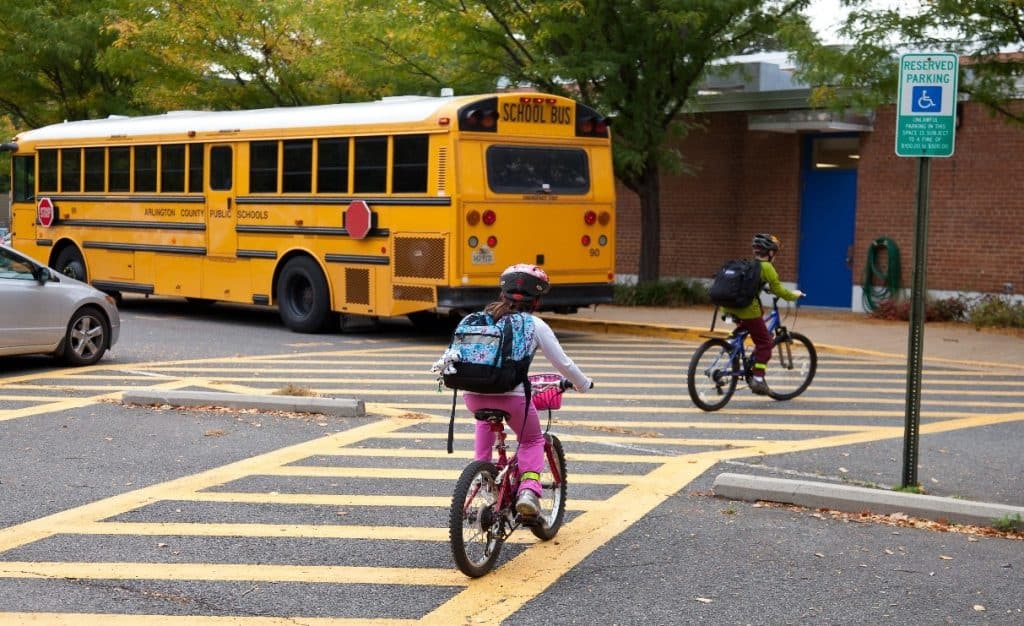
- Kids tend to move quickly and without warning. They may run across the street, dart out from between parked cars, or be distracted by their phones, toys, or friends. Unlike adults, children don’t always look both ways before crossing, and they may not be aware of the danger around them.
- Higher Pedestrian Traffic
- School zones have a high concentration of pedestrians, students, parents, and teachers. There are also often more crossing guards, buses, and vehicles in and around these areas. This makes it a more complex environment to navigate and increases the risk of accidents.
- Reduced Visibility
- In many school zones, there are parked cars, buses, and even temporary barriers or cones. These can block your view of children crossing the road or running toward the street.
- Time of Day
- School zones are especially busy during drop-off and pick-up times, which are typically in the morning and late afternoon. The rush of cars, buses, and pedestrians creates a more chaotic environment.
Key Tips for Driving Safely in School Zones
- Obey Speed Limits
- School Zone Speed Limits: Always pay attention to the posted speed limit signs in school zones, which are typically much lower than regular street limits. Speed limits in school zones are usually 15 to 25 mph during designated hours, and 15 mph when children are outside or crossing the street.
- School Zone Flashing Lights: Many school zones have flashing lights that indicate reduced speed. Slow down when you see these lights flashing, even if you don’t see children. The reduced speed is designed to help you stop quickly if a child suddenly crosses the road.
- Watch for Crossing Guards and Students
- Obey Crossing Guards: If a crossing guard is present, stop and follow their instructions. Crossing guards are there to help children cross safely, and ignoring their signals can lead to serious accidents.
- Look for Children Walking: Always be on the lookout for children walking or biking, especially near school entrances or on the sidewalks. Don’t assume that just because the road seems clear, it’s safe to drive at regular speeds.
- Stop for School Buses
- Yellow Bus Lights: When a school bus has its yellow lights flashing, this indicates that it is preparing to stop, and you should slow down and prepare to stop as well.
- Red Bus Lights: When a bus has its red lights flashing, you must stop at least 10 feet away from the bus, whether you are coming from the front or rear of the bus. This is the law in almost all areas and is crucial for the safety of children who may be crossing the road.
- Be Extra Cautious During Drop-Off and Pick-Up Times
- Early Morning and Afternoon Rush: During drop-off and pick-up times, school zones can be extremely congested. Take your time and avoid rushing through these areas. The rush of cars, kids, and parents increases the risk of accidents.
- Watch for Parents and Children in the Street: Parents may be walking their kids to school, which increases pedestrian traffic. Sometimes, parents park in spaces that aren’t designated as parking spots, causing a potential hazard for you when trying to navigate the area.
- Don’t Block Crosswalks: Never block crosswalks or stop in the middle of the road near the school. This can cause congestion and force pedestrians to walk around your car, creating a dangerous situation.
- Yield to Pedestrians
- Always yield the right of way to pedestrians in school zones, even if the crosswalk is not marked. Children may be walking to school, and some may cross at places other than designated crosswalks. Always be prepared to stop and look for pedestrians when driving near a school.
- Avoid Distractions
- Stay Focused: Distractions are especially dangerous in school zones. Avoid using your phone, eating, or engaging in any other distractions while driving in these areas.
- Be Aware of Your Surroundings: Pay attention to all school zone signage, including those for speed limits, stop signs, or pedestrian crossings. The more aware you are, the better prepared you’ll be to react to a sudden situation.
- Watch for School Zone Markings
- Many school zones are marked with signs, flashing lights, or road markings that remind you to slow down. Don’t just rely on the signs—stay aware of the environment around you and expect the unexpected.
- Be Patient and Courteous
- Be Patient: School zones can be congested, and there may be delays, especially during drop-off and pick-up times. Don’t rush through the area or try to cut through traffic. It’s far better to arrive a few minutes late than to risk a dangerous situation.
- Be Courteous to Others: Yield to others when needed, whether it’s other drivers, pedestrians, or crossing guards. Cooperation and patience can make school zones safer for everyone.
- Keep Your Vehicle Well-Maintained
- Ensure your vehicle’s brakes, lights, and windshield wipers are in good working order, especially in school zones where stopping quickly might be necessary. This will give you the best chance to react to any sudden changes in traffic or pedestrian movement.
Special Considerations for Driving School Buses
- Know the Law: Laws for stopping for a school bus vary by region, but generally, you must stop in both directions if you’re near a school bus that is picking up or dropping off children. If you’re on a multi-lane road, be especially cautious, as the bus may be stopping in a different lane than you are.
- Be Patient: School buses make frequent stops, so be prepared for the possibility of having to stop for several minutes while children are boarding or exiting. It’s important to remain calm and allow time for this process.
What to Do if You’re Late to Work or School
- Leave Early: School zones can add time to your commute, so plan ahead. Leave earlier than usual to avoid the stress of rushing through school zones, and ensure you drive cautiously.
- Avoid Shortcuts: Sometimes, drivers will take shortcuts through residential streets to avoid heavy traffic in school zones. This can be dangerous, as children may be walking or playing in those areas. Stick to the main roads and school zones and drive responsibly.
What to Do if You Encounter Aggressive Drivers
- Don’t Engage: If another driver is speeding, tailgating, or trying to rush through the school zone, do not engage. Stay calm, drive safely, and avoid reacting to the aggression.
- Report Aggressive Driving: If a driver is behaving dangerously in a school zone, note their vehicle description, license plate number, and report it to local authorities. Your action could help prevent accidents.
Conclusion
Driving in school zones requires extra care, attention, and patience. Children are unpredictable, and there’s always the potential for unexpected movements. By following the posted speed limits, yielding to pedestrians, and being aware of your surroundings, you can help keep school zones safe for everyone. Remember, it’s not just about following the laws about making sure we all play a role in protecting our most vulnerable road users: the children.
Does anyone have any questions or additional tips for driving safely in school zones? Let’s stay alert, drive carefully, and do our part to ensure a safe environment around schools.