Toolbox Talk: The Effects of Drugs and Alcohol on Driving
April 4, 2026 2026-04-23 4:50Toolbox Talk: The Effects of Drugs and Alcohol on Driving
The Effects of Drugs and Alcohol on Driving
Toolbox Talk: The Effects of Drugs and Alcohol on Driving
Introduction
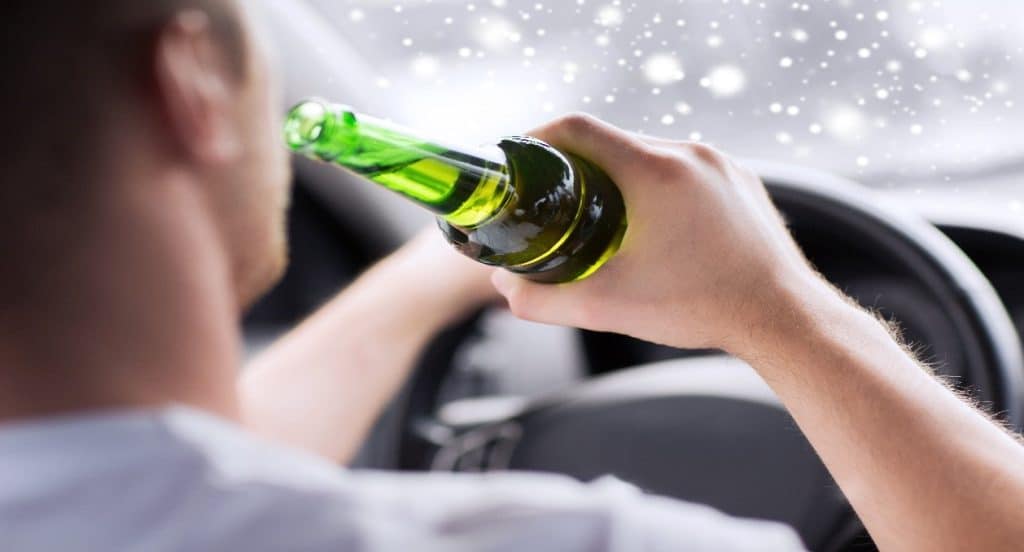
Good morning, everyone. Today’s toolbox talk focuses on a critical topic—the effects of drugs and alcohol on driving. Whether it’s legal medications, over-the-counter drugs, or illegal substances, anything that impairs your ability to drive is a serious risk, not only to you but to everyone on the road. As drivers, it’s essential that we recognize the dangers of mixing any form of substance use with operating a vehicle. Let’s discuss how drugs and alcohol affect your driving ability, the legal consequences, and most importantly, how to protect yourself and others by making the responsible choice.
Why Drugs and Alcohol Are Dangerous When Driving
- Impairment of Reaction Time
- Alcohol and Drugs Slow Reaction Time: Both alcohol and drugs—whether prescription, over the counter, or recreational—can slow your reaction time. In an emergency, your ability to brake, steer, or take evasive action may be delayed, which increases the risk of accidents.
- What It Feels Like: Imagine you’re driving, and someone suddenly cuts you off. A sober driver could react quickly, but under the influence of alcohol or drugs, even simple maneuvers like steering or braking might take longer, or you might not react at all.
- Impaired Judgment and Decision-Making
- Poor Judgment: Alcohol and drugs cloud your ability to make good decisions. You might misjudge your speed, fail to notice a red light, or even feel overconfident about driving when you shouldn’t be.
- Overconfidence: With alcohol in particular, people often feel invincible and take unnecessary risks—driving too fast, overtaking in dangerous spots, or not paying attention to traffic signs.
- Reduced Coordination and Focus
- Motor Skills Are Affected: Alcohol and many drugs can impair fine motor skills—everything from steering to using the pedals. You might feel “out of control” and struggle to keep the vehicle moving smoothly.
- Distraction: Drugs and alcohol can also make it harder to focus on the road, distract you from checking mirrors or keeping an eye on the road ahead, and lead to disorientation.
- Drowsiness or Fatigue
- Sedative Effects: Some medications, alcohol, and recreational drugs cause drowsiness or fatigue, which affects your alertness and your ability to stay focused. Being tired behind the wheel is just as dangerous as being impaired by drugs or alcohol.
- Slow Reflexes: If you’re overly fatigued, you may find it hard to stay awake, or even worse, fall asleep at the wheel, leading to catastrophic accidents.
The Impact of Alcohol on Driving
- Alcohol Slows Brain Function
- Alcohol affects areas of the brain responsible for critical functions like memory, attention, perception, and motor coordination. This combination of effects severely impairs your ability to drive.
- Alcohol and Legal Limits
- Blood Alcohol Concentration (BAC) is used to measure alcohol impairment. In many places, a BAC of 0.08% or higher is considered legally impaired. However, impairment can begin at much lower levels (even as low as 0.02%).
- Legal Consequences: Getting caught driving with a BAC over the legal limit can lead to fines, suspension of your driver’s license, and even jail time. In addition, if you’re involved in an accident, criminal charges may follow, depending on the severity of the crash.
- Alcohol and Reaction Time
- Alcohol impairs the central nervous system, which delays your ability to react to potential hazards on the road. The higher your BAC, the more significant the delay in your reactions, which increases the likelihood of a crash.
The Impact of Drugs on Driving
- Prescription Drugs
- Medications Can Be Just as Dangerous: Many prescription medications, such as painkillers, sedatives, and anti-anxiety medications, can impair your ability to drive. Some cause drowsiness, dizziness, and poor concentration, while others affect your reaction time.
- Read the Label: Always check the warnings on your medication. Many labels include advice like “don’t operate heavy machinery” or “avoid driving.” If you have any doubts, consult your doctor or pharmacist before getting behind the wheel.
- Over-the-Counter Medications
- Common Medications Can Impair Driving: Even everyday over-the-counter drugs, such as antihistamines (for allergies) or cold medicine, can cause drowsiness, confusion, or dizziness, which makes driving dangerous.
- Do Your Research: If you’re planning to drive after taking medication, always check for side effects, and if you’re unsure, err on the side of caution and avoid driving.
- Illegal Drugs
- Recreational Drugs (Cannabis, Cocaine, etc.): Illegal substances can have severe effects on your reaction time, judgment, and coordination. Drugs like marijuana, cocaine, and heroin impair both physical and mental abilities, and in many cases, their effects last much longer than you might expect.
- Drug Testing: Law enforcement can test for drug use through roadside testing or blood tests, and the penalties for driving under the influence of drugs are often just as severe as for alcohol.
Combined Effects: Alcohol and Drugs
- Synergistic Effects: Using alcohol and drugs together—whether prescription, over the counter, or recreational—can create synergistic effects, meaning the impairing effects of each substance are amplified. This makes the dangers even greater, increasing the risk of accidents and severe injuries.
- Cognitive and Physical Impairment: The combination of alcohol and drugs can cause extreme drowsiness, dizziness, blurred vision, and uncoordinated movements, making it almost impossible to drive safely.
Legal and Safety Consequences
- Legal Penalties
- Fines, License Suspension, and Jail Time: Being caught driving under the influence (DUI) can lead to expensive fines, loss of your driving privileges, and even imprisonment, depending on the severity of the offense and the laws in your region.
- Insurance and Liability: A DUI conviction often leads to higher insurance rates or the inability to get insurance. If you cause an accident while impaired, you could be held liable for damages and injuries.
- Risk to Others
- Driving under the influence puts not just your life in danger, but also the lives of passengers, pedestrians, and other drivers. The consequences of impaired driving can be life-altering for everyone involved.
Key Takeaways for Safe Driving
- Don’t Drive Under the Influence
- If you’ve been drinking or taking drugs, don’t drive. Always have a plan—whether it’s a designated driver, public transportation, or a rideshare app like Uber or Lyft.
- Even small amounts of alcohol or medications can impair your driving ability. When in doubt, don’t drive.
- Read Medication Labels and Follow Warnings
- Always read labels on both prescription and over-the-counter medications. If the label says the drug could impair your ability to drive, take it seriously.
- Know the Effects of Drugs and Alcohol on Your Body
- Understand how your body reacts to substances before getting behind the wheel. Everyone’s tolerance is different, and even small amounts of alcohol or medications can affect your driving.
- Plan Ahead
- If you know you’ll be drinking or taking medications that might impair your ability to drive, plan ahead for a safe way to get home.
- If You’re Feeling Off, Don’t Drive
- If you feel dizzy, fatigued, or less alert, pull over and take a break. Never risk driving while under the influence of alcohol or drugs.
Conclusion
The effects of drugs and alcohol on driving are dangerous and far-reaching. Impairment affects reaction times, decision-making, coordination, and overall alertness. Whether it’s alcohol, prescription medication, or illegal drugs, it’s important to understand the risks and always make the safe choice.
Driving while impaired is not just illegal, it’s irresponsible, and the consequences can be severe. Always plan-ahead and make sure you’re in a safe state to drive. Your life, the lives of others, and your future depend on the choices you make today.
Any questions or thoughts on how we can all make safer choices on the road? Let’s stay responsible and keep our roads safe for everyone.