
Toolbox Talk – Front End Loader Safety
January 28, 2026 2026-01-28 12:29Toolbox Talk – Front End Loader Safety
Toolbox Talk – Front End Loader Safety
Toolbox Talk – Front End Loader Safety
Front end loaders are a workhorse on many job sites — from construction to landscaping to mining. They’re versatile and widely used, but they’re also linked to a significant number of serious injuries and fatalities every year.
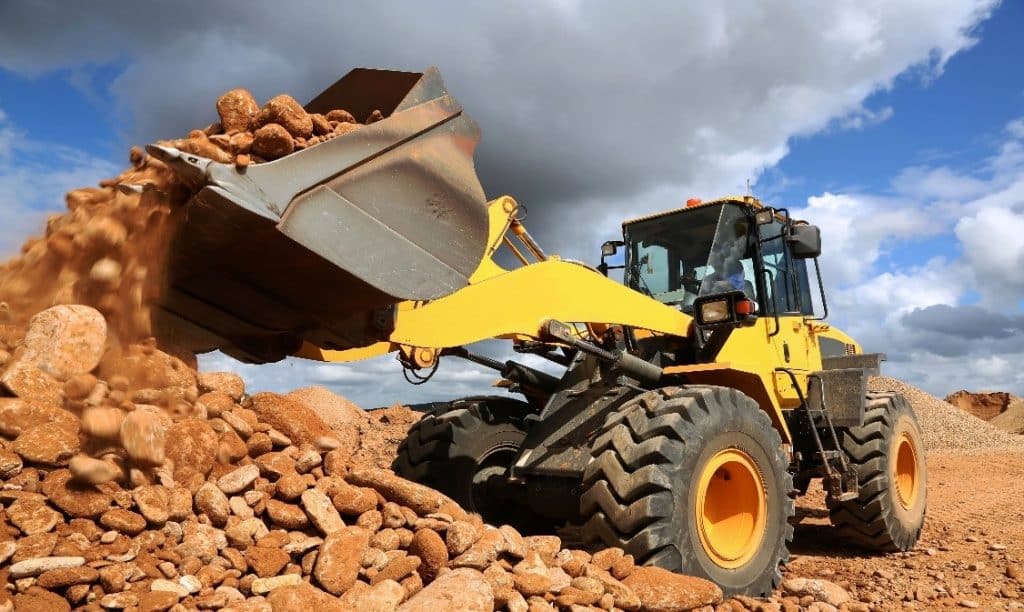
OSHA’s Accident Search database for the term “front end loader”
While they may not seem as dangerous as some other heavy equipment, front end loaders present real and recurring hazards — especially when operated improperly or around untrained personnel.
⚠️ Common Front-End Loader Hazards
OSHA’s accident records for front end loaders reveal three major types of incidents that show up again and again:
- Struck-by Incidents
- These are some of the deadliest. Workers on foot can be hit by the loader itself or the materials it’s carrying — often because they’re in the operator’s blind spot.
- Even small loads can cause serious injuries if dropped or swung.
- Caught-In/Between Accidents
- Workers can get pinned between the loader and another object (like a wall, another machine, or a pile of material).
- Getting under a raised bucket or attachment, even for “just a second,” can be fatal if the equipment moves unexpectedly or fails.
- Tip-Overs
- Operating on slopes, driving too fast, or lifting loads beyond the machine’s rated capacity can all cause the loader to roll.
- Tip-overs often lead to crushing injuries or death, especially if the operator isn’t wearing a seatbelt.
✅ Front End Loader Safety Best Practices
To keep yourself and your coworkers safe, always follow these guidelines:
- Know the machine. Read the operator’s manual and understand the machine’s capabilities and limitations.
- Get trained. Only operate a front-end loader if you’ve been properly trained and authorized.
- Respect weight limits. Never overload the machine. Use the correct lifting techniques and keep loads low to the ground while traveling.
- No riders. Unless the loader is specifically designed to carry passengers, it’s a one-person machine.
- Control foot traffic. Set up the work zone to keep people clear of loader paths — especially blind spots.
- Use a spotter. If people or obstacles are nearby, use a spotter to guide the operation safely.
- Limit backing. Reverse movement leads to more incidents — plan the work to minimize it.
- Wear your seatbelt. It’s your last line of defense if the machine tips or something goes wrong.
🧠 Key Takeaway
Front end loaders are incredibly useful but carry real risks. Before you start a task, take a moment to think through the hazards and plan for safety.
✔️ Use the machine within its limits
✔️ Keep people clear of the operating zone
✔️ Always use proper safety equipment and techniques