

Defensive Driving (DDC-6.0) Kenya: A Comprehensive Guide to Safer Driving in Africa.
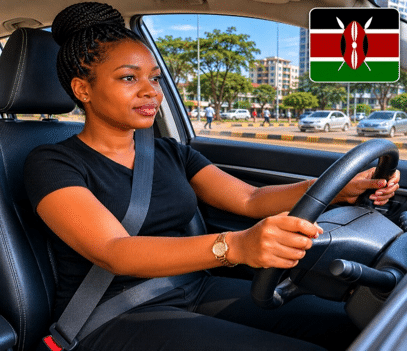

Defensive Driving (DDC-6.0) Kenya: A Comprehensive Guide to Safer Driving in Africa.
Kenya’s roads are among the most dynamic and most demanding in Africa. From the congested roundabouts of Nairobi’s CBD to the long, poorly lit stretches of the A104, every journey carries real risk. According to the National Transport and Safety Authority (NTSA), road crashes remain one of the leading causes of death and serious injury in Kenya. The question is no longer whether driver education matters it is whether the training available is rigorous enough, practical enough, and Kenya-specific enough to make a genuine difference. The Defensive Driving (DDC-6.0) Kenya course, developed by the OSHAccredited Safety Institute, answers that question with a decisive yes.
What Is the DDC-6.0 Kenya Course?
The Defensive Driving Course DDC-6.0 Kenya is a structured, intermediate-level online training program designed to equip drivers with the knowledge, skills, and attitudes needed to anticipate hazards, manage risk, and make sound decisions behind the wheel — before an emergency unfolds, not during one. The course is hosted on the OSHAccredited Safety Institute platform and is freely accessible to learners who enroll, with a paid Final Exam required to earn the official Certificate of Completion. Spanning 46 lessons across 12 content modules, the course delivers approximately six hours of training through a blend of instructional text, video lessons, and knowledge check assessments.
A Curriculum Built for Kenyan Conditions
What sets DDC-6.0 Kenya apart from generic online driving courses is its deliberate grounding in the Kenyan road environment. The curriculum does not simply transplant Western driving theory into a Kenyan wrapper. It directly addresses the specific challenges Kenyan drivers face daily — including yellow box junctions, roundabout navigation, blind spot management in high-traffic urban areas, and road-sharing dynamics involving PSVs, Boda Bodas, and heavy commercial vehicles.
The 12 modules cover a comprehensive range of topics. Module 1 introduces the philosophy and core principles of defensive driving, establishing the mindset that underpins the entire course. Module 2 moves into practical vehicle maintenance, covering the 12-point vehicle safety check that every responsible driver should perform before setting off. Module 3, titled “Navigating Kenya Roads, Risks, and Responsibilities,” tackles Kenya-specific road features including roundabouts and yellow box junctions in dedicated video lessons. Module 4 addresses one of the most urgent issues in contemporary road safety i.e. cellphone use and distracted driving drawing on both research and real-world scenarios to reinforce why a momentary distraction can be permanently devastating.
Module 5 develops hazard awareness and risk management skills, training drivers to scan the road environment proactively and anticipate threats before they escalate. Module 6 applies defensive driving principles specifically to Kenyan road conditions, covering safe following distances and strategies for responding to erratic or aggressive drivers. Module 7 focuses on emergency situations and collision avoidance — critical content for drivers who may encounter sudden tire failures, brake failure, or animal crossings on rural roads.
Modules 8 and 9 address two of the most underestimated threats on Kenyan roads: impaired driving and driver fatigue. The course does not shy away from the legal, social, and human consequences of drunk driving, and includes practical content on sleep disorders such as sleep apnea and their effect on driver alertness. Module 10 covers post-collision procedures and insurance obligations — knowledge that is often lacking among drivers who panic or are unsure of their responsibilities after an incident. Module 11 consolidates key road safety tips and responsible driving habits. Module 12 concludes the content with a focused study of the ten most dangerous driving behaviors, reinforced with lessons on intersection rules, traffic lanes, right-of-way, and traffic sign comprehension.
Who Should Enroll?
The DDC-6.0 Kenya course is relevant to a broad audience. Government employees, Matatu drivers, Boda-Boda riders, Individual drivers seeking to sharpen their skills or satisfy a professional requirement will benefit, as will corporate fleet managers looking for a credible, documented training solution for their drivers. Insurance professionals, fleet safety officers, human resources teams, and health and safety practitioners in organizations that operate company vehicles will find the course an excellent complement to their existing programs. New drivers building foundational knowledge and experienced drivers refreshing their awareness after years on the road are equally well served.
Certification and Completion
Upon completing all 46 lessons, learners can register for the Final Exam to earn their official OSHAccredited Certificate of Completion. The certificate serves as documented proof of training, appropriate for employer records, fleet compliance files, and personal professional development portfolios.
Enroll Today
Road safety is not an accident, it is a deliberate choice, reinforced by knowledge and sustained by habit. The Defensive Driving (DDC-6.0) Kenya course gives every driver the tools to make that choice every time they turn the ignition.
Enroll now at: https://oshaccredited.com/courses/defensive-driving-ddc-60-kenya/
Author: Dr. O’Neil G. Blake, Chief Executive Officer (CEO) of OSHAccredited Safety Institute
MS., MBA., MSc., BSc, CSP., ASP., CSHM., CSMP., MRSA.
Date: 06-07-2026