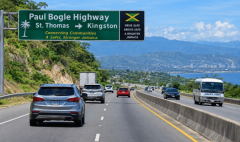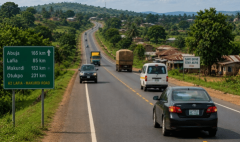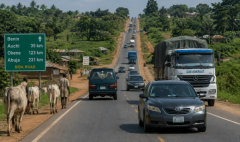

Road Safety Education in Nigeria: Why Defensive Driving Training DDT-6.0 Nigeria Matters.
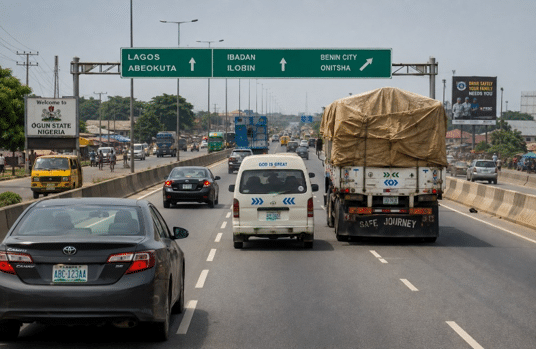

Road Safety Education in Nigeria: Why Defensive Driving Training DDT-6.0 Nigeria Matters.
Road safety remains one of the most important transportation and public-safety challenges facing Nigeria. Every day, millions of Nigerians travel by private cars, buses, taxis, motorcycles, trucks, and other commercial vehicles across busy urban streets and an extensive network of highways and rural roads. Improving road safety education in Nigeria therefore requires more than knowing how to operate a vehicle—it requires drivers who can recognize hazards early, make safer decisions, and adjust their driving to changing road and traffic conditions.
The OSH Accredited Safety Institute Defensive Driving Training DDT-6.0 Nigeria course is designed to strengthen these essential skills through practical, risk-based defensive driving education adapted to the Nigerian driving environment.
What Is Road Safety?
Road safety refers to the principles, systems, behaviors, laws, engineering measures, and practices used to reduce the likelihood and severity of road traffic crashes, injuries, and fatalities. It involves everyone who uses the road, including drivers, passengers, pedestrians, motorcyclists, cyclists, commercial vehicle operators, road authorities, and law-enforcement agencies.
For drivers, effective road safety begins with recognizing that driving is a continuous risk-management activity. A defensive driver does not simply react when something goes wrong. The driver continuously scans the road, identifies developing hazards, maintains adequate space, anticipates the mistakes of others, and takes early action to prevent a dangerous situation from becoming a collision.
Road Safety in Nigeria
Nigeria continues to experience a significant road traffic safety challenge. According to figures reported by the Federal Road Safety Corps (FRSC), Nigeria recorded 10,446 road trafficcrashes and 5,289 deaths in 2025. Although fatalities declined from 5,421 in 2024, total crashes increased by approximately 9.2 percent. These numbers demonstrate why prevention, driver education, compliance, and safer driving behavior remain critical.
The importance of driver behavior is particularly clear in FRSC’s 2024 data. Speed violations represented the largest identified crash-causation category, while wrongful overtaking, dangerous driving, route violations, tire bursts, brake failure, fatigue, and other factors also contributed to crashes.
Nigeria’s FRSC also recognizes driver education as an important road-safety intervention. Its Driving School Standardization Program is intended to establish uniform driver-training standards, develop safety-conscious driving habits, improve knowledge of road traffic regulations, and strengthen driving skills.
This makes high-quality defensive driving training in Nigeria especially relevant.
Defensive Driving on Nigerian Highways and Rural Roads
Driving conditions can change considerably when motorists leave Lagos, Abuja, Port Harcourt, Kano, Ibadan, or other major urban centers and travel longer intercity routes. Important corridors include the Lagos–Ibadan Expressway, Abuja–Kaduna–Kano corridor, Benin–Ore route, Abuja–Lokoja corridor, Kaduna–Zaria route, and Enugu–Port Harcourt Expressway. Several of these routes form important connections for passenger transportation and commercial movement across Nigeria.
Rural and intercity driving requires constant hazard recognition. Drivers may encounter potholes, damaged pavements, poorly marked road sections, slow-moving vehicles, broken-down vehicles, pedestrians, motorcycles, roadside activities, and unexpected changes in traffic flow.
Animals can create another serious hazard. Cattle, goats, sheep, dogs, and other animals may enter or cross rural roads with little warning. A defensive driver should reduce speed when approaching animals, increase following distance, scan both sides of the roadway, and avoid sudden steering movements that could result in loss of vehicle control.
Poor Overtaking: A High-Risk Decision
Poor overtaking is particularly dangerous on two-way highways because a driver may misjudge the speed or distance of approaching traffic, attempt to pass several vehicles at once, or discover too late that there is insufficient roadway available to complete the maneuver safely.
FRSC’s 2024 statistics identified wrongful overtaking among the recorded causes of road traffic crashes.
Defensive drivers should never overtake because of impatience or pressure from another motorist. Before overtaking, evaluate visibility, road markings, approaching traffic, the speed of the vehicle ahead, available acceleration distance, road condition, and whether sufficient space exists to return safely to the proper lane. Curves, hills, intersections, bridges, pedestrian areas, and locations with restricted visibility demand additional caution.
Safer Lane Changes
Unsafe lane changes are another preventable source of conflict. A proper lane change should be deliberate rather than abrupt.
Before moving into another lane, check mirrors, activate the appropriate turn signal early, assess surrounding traffic, check the blind spot, establish adequate space, and move smoothly into the new lane. Avoid weaving repeatedly through traffic merely to gain a few vehicle lengths.
The principle is simple: signal, check, verify, and move only when the space is safe.
Following Distance: Protect Your Safety Space
Following distance gives drivers time to recognize a developing hazard, make a decision, and respond.
The Nigeria Highway Code emphasizes maintaining sufficient distance from the vehicle ahead and notes that some drivers prefer a three-second rule, with additional time recommended when conditions deteriorate. It also emphasizes that heavier vehicles are more difficult to stop and maneuver because of their weight.
As a practical defensive-driving standard, DDT-6.0 Nigeria teaches a minimum three-second following distance for cars under normal conditions. Commercial drivers should maintain at least four seconds in towns and residential areas and approximately 7–10 seconds on highways, reflecting the greater stopping distance, vehicle weight, speed, and consequences associated with buses, trucks, tankers, and other large vehicles.
These distances should be increased further during rain, poor visibility, nighttime driving, heavy traffic, or whenever road and vehicle conditions require additional stopping space.
Fatigue Management Saves Lives
Fatigue can quietly reduce driving performance. A tired driver may experience slower reaction time, reduced concentration, poor judgment, lane drifting, and even microsleep.
Long-distance drivers and commercial operators should plan journeys realistically, obtain adequate sleep before driving, schedule appropriate rest breaks, recognize early warning signs of fatigue, and stop driving when they are no longer alert enough to continue safely. Opening a window, playing loud music, or relying on stimulants is not a substitute for adequate rest.
How DDT-6.0 Nigeria Can Strengthen Driver Education
The OSH Accredited Safety Institute Defensive Driving Training DDT-6.0 Nigeria course can contribute to improved road safety by moving driver education beyond basic vehicle operation toward proactive hazard recognition and risk reduction.
The course emphasizes practical defensive-driving principles such as safe following distance, hazard scanning, lane-change discipline, safer overtaking, speed management, fatigue awareness, rural-road hazards, vehicle control, and anticipating the unsafe actions of other road users.
Online delivery also creates an opportunity for organizations to provide consistent online safetytraining to employees and commercial drivers across different Nigerian states. Companies operating fleets, logistics vehicles, buses, construction vehicles, utility vehicles, delivery vehicles, and corporate cars can incorporate DDT-6.0 Nigeria into their broader driver-safety and safety training programs.
Building a Stronger Road Safety Culture in Nigeria
Nigeria’s road safety challenge cannot be solved through enforcement alone. Safer roads also require informed drivers who understand that almost every journey involves changing hazards and changing levels of risk.
Defensive Driving Training DDT-6.0 Nigeria provides a structured approach to developing that mindset. By teaching drivers to maintain adequate following distances, execute safer lane changes, avoid dangerous overtaking, manage fatigue, recognize rural-road hazards, and anticipate the actions of others, the course can help strengthen road safety education anddriver education in Nigeria.
Ultimately, defensive driving is about more than passing a course. It is about developing safer habits that drivers apply every time they enter a vehicle. Better-trained drivers can make better decisions—and better decisions can help reduce crashes, prevent injuries, save lives, and contribute to a stronger road safety culture throughout Nigeria.
Author: Dr. O’Neil G. Blake, Chief Executive Officer (CEO) of OSHAccredited Safety Institute
Credentials: MS., MBA., MSc., BSc, CSP., ASP., CSHM., CSMP., MRSA.