
Road Safety in Ghana | Road Safety in Jamaica & Nigeria
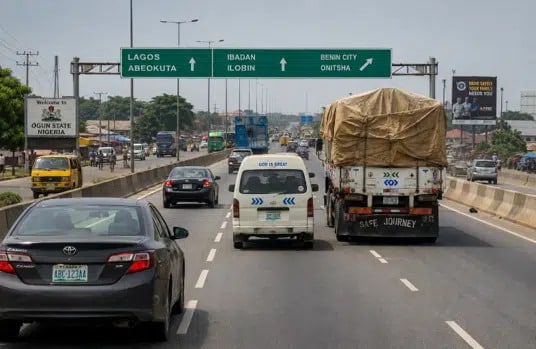

Road safety is a shared responsibility involving drivers, passengers, pedestrians, employers, fleet operators, and communities. Although traffic conditions differ between countries, defensive driving, hazard awareness, responsible decisions, and proper training can help reduce preventable road incidents. Country-specific training can also help drivers understand local road conditions and common risks.
1. Building Safer Driving Habits
Road safety in Ghana requires drivers to remain alert to changing traffic, pedestrians, motorcycles, commercial vehicles, weather, and road conditions. Defensive driving encourages motorists to maintain appropriate space, control speed, anticipate hazards, and avoid risky overtaking.
Important practices include:
- Maintain a safe following distance.
- Avoid distracted or fatigued driving.
- Check mirrors and blind spots regularly.
- Adjust speed to traffic and road conditions.
- Anticipate the actions of other road users.
2. Safer Roads Across Jamaica and Nigeria
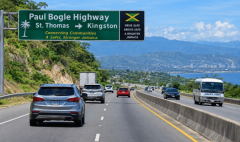
Road safety in Jamaica involves managing hazards that can vary from busy urban streets to winding rural roads. Fatigue, speeding, unsafe overtaking, pedestrians, motorcycles, and changing weather conditions require careful attention. Defensive-driving education can help motorists recognize developing hazards before they become emergencies.
Similarly, Road safety requires awareness of heavy traffic, commercial vehicles, motorcycles, road conditions, and changing weather. Training focused on hazard recognition and decision-making can support safer driving habits for individuals and fleet operators.
Summary
Effective road safety in Nigeria comprises responsible behavior, awareness, education, and risk management. Online safety training at the OSHA-accredited Safety Institute is meant to deliver practical knowledge that can assist individuals and organizations improve defensive driving habits in a variety of road settings.
FAQs
1. Why is defensive driving important?
It teaches drivers to identify hazards early and make safer decisions.
2. Who can benefit from road safety training?
Private motorists, professional drivers, fleet operators, and organizations can benefit.
3. What does defensive driving training cover?
Topics can include hazard awareness, space management, fatigue, distractions, and safe decision-making.
4. Can online training support safer driving?
Yes. Online programs can provide flexible access to structured safety educatio